


Launching your startup in the right community is so important — the best startups do it multiple times on multiple forums. Airbnb famously launched three times, finally taking off at SXSW in 2008.
Executing a launch well is also great training for a startup in how to run a cross-functional, strategic project because product launches need all key functions of a pre–product market fit startup to align:
Along with aligning the company behind a clear strategy, an effective launch needs founders to do things that don’t scale. This early muscle of founders reaching out directly to people in their community and bugging users for public testimonials is what builds the foundation of a company’s relationship with its customer base.
Started in 2013 and now grown to ~5 million tech enthusiasts, Product Hunt has become the go-to platform for startups to launch new products — particularly if you have a low-friction, self-serve experience for early adopters. With the growth of bottom-up SaaS as a business model, enterprise software apps targeting tech users have increasingly found Product Hunt a great launch platform.
Done well, a successful launch can drive thousands of web visits and trial signups. Equally important, tech reporters and investors also pay attention, and the feedback you can generate from product managers, developers, and marketers will be worth its weight in gold.
We’ve partnered with Social Growth Labs to help Unusual founders launch their company on Product Hunt. Social Growth Labs (SGL) has helped over 100 startups launch into the top three spots, many to No. 1. Most recently, Unusual portfolio company Relicx launched as No. 1 in April 2022 with support from Unusual Founder Services and SGL. The launch generated thousands of website visits and hundreds of trial signups overnight. So we sat down with Leo Bosuener from SGL to discuss the best practices and steps a founder can take as they prepare for their launch.
In a nutshell, here’s how a successful Product Hunt launch works:
While Product Hunt may not be ideal for every software product, the platform works best for SaaS companies targeting end-user adoption through self-service free trials or freemium options. The broader your prospective user base, the more users you’ll likely attract. The more niche the product, the fewer signups you’ll get — but those signups could be exactly what you’re looking for.
Most Product Hunt members are early adopters who are eager to check out products ASAP, so it’s essential to have an easy-to-use trial and onboarding experience setup beforehand. If you have a waitlist or ask people to sign up for a live demo, they likely won’t engage.
Similar to Google Search, few people tend to notice products beyond the first three spots on Product Hunt. For reference, the top spot usually generates up to 5,000 visitors, whereas the bottom front page slot gets ~500 visitors. If your product ranks in the top 10 that day, you’ll also be featured in the Product Hunt newsletter the next day.
Product Hunt’s ranking algorithm is complex, with several variables to keep in mind:
Number and velocity of upvotes
Product Hunt’s algorithm prefers steady engagement as opposed to front-loaded engagement with significant lulls throughout the day.
Comments and engagement, especially answered questions
This is an easily overlooked part of the ranking. Ideally, someone from the company responds to EVERY comment. Ideally, more than one response. When Relicx launched, we noticed that one comment was worth about 40–50 upvotes!
While your product doesn’t have to be 100% perfect, you do need to be prepared for what will happen once people sign up to try your product. If you get 100 or more signups during your Product Hunt launch, can you nurture them all the way through the product experience? Make sure you have thought through the user journey completely.
Before you start planning your launch, make sure you are fully prepared to make the most of the influx of interest your company will get. In general, you should have:
A delightful onboarding experience
Can users easily sign up for your product and reach the ‘aha’ moment in five minutes or less?
Ability and bandwidth to act quickly on user feedback and questions
Tip: Make a list of anticipated FAQs and prepare answers in advance.
Detailed documentation and tutorials
Tip: Read this guide to creating software tutorials in The Unusual Field Guide
Slack channel or forum for users to ask questions and interact with fellow users and your team
Tuesdays, Wednesdays, and Thursdays for traffic and brand awareness
If your goal is to generate high traffic, schedule your launch for Tuesday or Wednesday. Keep in mind that Tuesdays and Wednesdays you’ll be more likely to compete with large established companies such as Asana, Notion, and Shopify, which also use the platform to promote new product updates. This competition makes it more difficult to rank in the top three slots.
Mondays and Fridays for ranking highly
If you care more about getting into the top three, and particularly the No. 1 spot to claim the coveted Product of the Day award, consider launching on a Monday or Friday. On average, traffic is 20-25% lower but your competition won’t be as steep as on other days of the week. Relicx launched on a Friday and ranked No. 1.
While there’s no one way to reach No. 1, there are some best practices for increasing your likelihood of success. Here’s our seven-step guide to prepare for the best launch day possible.
Once you’ve decided that your product is ready to launch, get clear about what you want to achieve. Keep in mind that launch activities will require significant time from your team — it can take about two months to prepare. Ask yourself what outcomes you want to achieve in order to make the launch truly worth your energy.
Here are some suggested goals to consider:
Here are some KPIs to consider:
While Product Hunt preparation takes a couple months, the real preparation starts much earlier as it’s essential to first build a great product and “front door” onboarding experience. Before getting ready for your launch, you should:
Polish your website
Make trial sign-ups easy-breezy
Make sure your product has an impactful aha moment
Prior to the Relicx launch, the team conducted user testing with a dozen developers, launched a new website with clean, engaging design, and worked tirelessly on a simple onboarding experience and supporting docs/tutorials. Their thinking was “start with the end in mind and work backward to create a great self-serve experience.”
If you haven’t already, claim your social media handles and get the initial branding ready for launch. Twitter and LinkedIn are the two most important channels for enterprise software products. You may also want to consider Discord, Facebook, and Instagram.
Then start building an audience on your social channels — follow and engage with users and influencers in your space and create a few content pieces to start the discussion.
Ideally you can instrument, support, and nurture every step of the user journey. Start with tracking website usage to optimize signup conversion, then a CRM to enable trial and onboarding, and finally product analytics to track key feature usage:
Think of the product milestones you want every first time and repeat user to hit (eg., your Aha! moments) and then instrument the corresponding events in the product. By connecting product analytics to your CRM, you can then enable event-based vs. time-based nurturing that is much more effective.
Why is all of this important? After you launch, you’ll need to know where users are getting stuck so you can improve the product experience or fix through better docs and tutorials.
Tip: Try Relicx to enable session replays of your initial user sessions.
Being active in the Product Hunt community before your launch will help you create connections with other makers and community members who will likely upvote your product and spread the word come launch day.
Check out Product Hunt’s Community — answer questions and chat about topics of interest ranging from fellow founders’ fundraising rounds to goal-setting and event networking.

In addition to building an audience, you’ll accrue karma points so your launch day engagement will matter even more. But perhaps the most important reason to engage the PH community early is to build longer-term relationships with those who will provide valuable product feedback and evangelize your product long after launch day.
Your product is self-serve, you have a snazzy new website, you’ve instrumented the systems you need to track success, and you’ve started building your audience. Now comes the fun part: creating your launch assets!
Here’s a launch asset list to review. In general, we advise the following assets at a minimum:
A simple, snappy tagline and description
Don’t underestimate the value of your icon and tagline on Product Hunt — they are the first things people see. Some companies opt to animate their icon, and you can pack a lot of punch into a handful of words – the tagline character count limit is 60. The tagline does a lot of the initial heavy lifting to entice people to click through to your product page.
Marketing images to merchandise your product
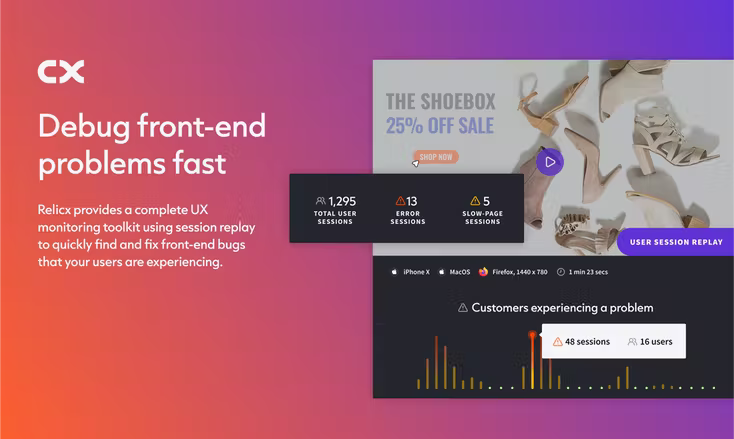
While you can upload as many as you’d like, try to do 3-5. For the Relicx launch, we did three, one per use case. Try to include product images and some brief copy, sometimes called ‘cereal box’ marketing:
Videos to show ‘why’ and ‘how’
Short videos are a great way to explain your product quickly and in a compelling manner. For the Relicx launch, we used a short 1 minute explainer video to explain the problem and unique approach. And we did a 3 minute product demo that showed how the product could be used. They worked great together and we received several pieces of positive feedback in the comments on launch day.
One more important point during the month leading up to launch, encourage your team to create their Product Hunt accounts. Accounts created fewer than 2 weeks before launch day may not count toward your upvote count. It is not uncommon for upvotes to be removed automatically at the end of the day.
One of the great parts about a Product Hunt launch is that it’s a great team building experience for the whole company. And every member of the team has a crucial role to play! About one week out is the perfect time to assign roles to every team member and schedule their shift:
Tip: Schedule team members to work five-hour Product Hunt shifts. Use time zone differences to your benefit. If you have a team in India, for example, they’ll be ‘first up’ in promoting your big day.
Next up is copy for social media that you’ll post throughout launch day to encourage consistent engagement. Product Hunt guidelines require that you don’t actively ask for upvotes but rather feedback on your product and engagement in the discussion.
Finally, a really effective tactic is to identify Product Hunt influencers who helped your direct competitors do well on their launch day. Reach out to each before and during your launch day to ask for their feedback as they have a strong Product Hunt following and can help boost your performance that day.
Suggested launch day schedule
Eat your Wheaties! Your team will need to be mentally on every minute of the day. It’s a marathon to get to the top, so don’t blast out everything at midnight. Here’s a suggested schedule:
Hopefully your launch day has gone well and you’ve topped the leaderboard. But guess what? The real work now begins — making sure all those hard won users are successful. Since you’ve instrumented your website, product, and onboarding experience, now’s a great time to review your key metrics to see if there has been any big fall-off:
Launching on Product Hunt is a great investment for the right target customers. Done well, you can generate hundreds of sign-ups overnight. But the real magic is in finding your audience and kickstarting your community building efforts.
For further information on Product Hunt, please reach out to leo@socialgrowthlabs.co or visit their website at www.socialgrowthlabs.co.
 All Posts